
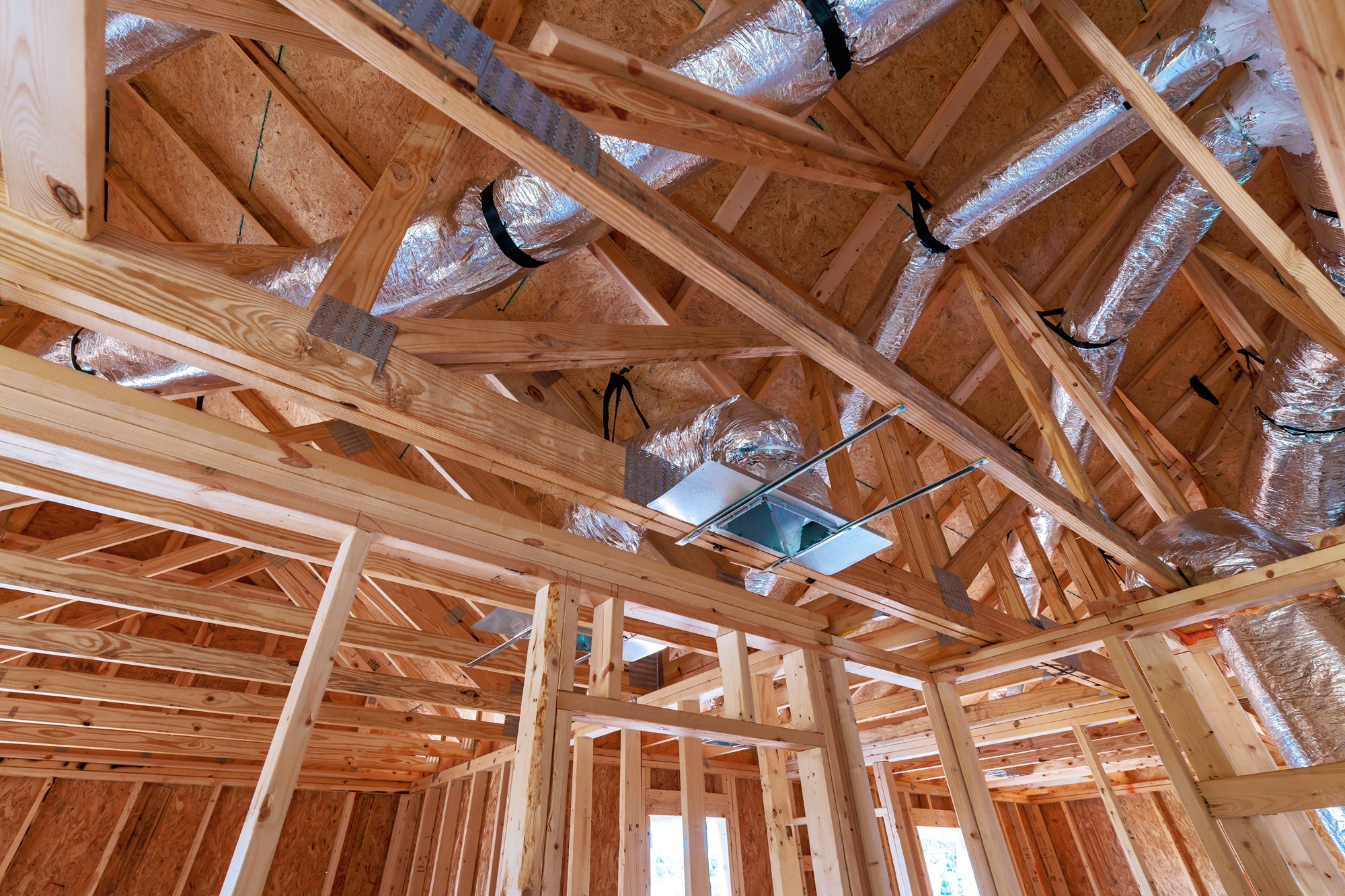
The Behind-The-Scenes Math That Protects Comfort, Efficiency and Long-Term System Performance
Replacing a heating and cooling system isn’t as simple as removing the old unit and installing a new one. One overlooked step can quietly sabotage comfort, energy efficiency, and equipment lifespan. That’s why a licensed HVAC contractor in Vancouver WA always performs a load calculation before recommending or installing a replacement system.
Smart HVAC regularly meets homeowners who assume bigger equipment means better performance. In reality, improper sizing leads to uneven temperatures, higher energy bills, and unnecessary wear.
Load calculation is a professional process HVAC contractors use to determine the exact heating and cooling capacity a home needs. It considers square footage, insulation, windows, climate, and airflow, ensuring replacement systems operate efficiently, deliver consistent comfort, and avoid costly oversizing or undersizing mistakes.
What Load Calculation Really Means and Why it Matters More Than Ever
Load calculation isn’t guesswork. It’s a structured evaluation that measures how much heating and cooling a space actually requires to maintain indoor comfort throughout the year.
People also ask: Is load calculation required when replacing an HVAC system? Yes. Even if a previous system “worked,” it may not have been properly sized for the home.
In Vancouver, WA, homes face unique demands due to seasonal temperature swings, moisture levels, and construction styles. Older homes, remodels, and additions change heating and cooling needs significantly. Licensed HVAC contractors account for these variables to avoid performance issues that appear months after installation.
A proper load calculation evaluates insulation levels, air leakage, window placement, ceiling height, sun exposure, and indoor air quality considerations. This ensures the new HVAC system aligns with how the home actually behaves not how it looks on paper.
Common Replacement Mistakes That Happen Without Load Calculation
Skipping load calculation is one of the most expensive mistakes homeowners make during system replacement. Many problems traced back to inefficiency begin here.

One common issue is equipment oversizing. Larger systems cycle on and off too quickly, leading to poor humidity control and uneven temperatures. Another frequent mistake is undersizing, which forces the system to run continuously, increasing energy bills and accelerating component wear.
Ductless systems and ductless heat pumps are also affected. Without proper sizing, indoor units fail to distribute air evenly, impacting comfort in zoned spaces. Electrical wiring, blower motor strain, and thermostat troubleshooting issues often follow.
Smart HVAC helps homeowners avoid these outcomes by ensuring system installations are based on accurate load calculation—not assumptions from outdated equipment.
According to the U.S. Department of Energy, improperly sized HVAC systems can increase energy consumption by 10–30% over time.
Planning An HVAC System Replacement?
Contact Smart HVAC today for expert guidance from a trusted HVAC contractor.
Why Load Calculation Protects Efficiency, Comfort and Your Investment
A correctly sized system does more than reduce energy bills—it stabilizes indoor comfort and extends equipment lifespan. Load calculation ensures heating and cooling systems operate within their optimal range.
When systems are sized correctly, they maintain consistent temperatures, manage indoor air quality, and reduce strain on components like compressors and blower motors. This leads to fewer emergency repairs, lower maintenance costs, and better long-term performance.
Smart HVAC applies load calculation as part of every system replacement to ensure homeowners across Vancouver WA and Southwest Washington receive reliable comfort tailored to their space—not generic sizing charts.
How an HVAC Contractor Performs Load Calculation Correctly
A licensed HVAC contractor in Vancouver WA follows established industry standards rather than relying on rule-of-thumb estimates. This process is often referred to as a Manual J calculation.
While every home differs, professional load calculation typically includes:
- Measuring square footage and ceiling heights
- Evaluating insulation quality and air leakage
- Assessing window size, placement, and solar exposure
- Reviewing ductwork layout and airflow potential
- Accounting for regional climate conditions
In the Pacific Northwest, moisture control and temperature balance are especially important. Smart HVAC adjusts recommendations based on real-world conditions, not just manufacturer charts.
Expert Insight: Why “Same Size As Before” is Often the Wrong Choice
A homeowner in Vancouver WA recently requested a system replacement using the same size unit they had for 15 years. On paper, it seemed reasonable.
Smart HVAC’s evaluation revealed improved insulation, new windows, and sealed ductwork had significantly reduced heating and cooling demand. Installing the same-sized system would have caused short cycling and comfort issues.
Instead, Smart HVAC recommended a properly sized system based on updated load calculation. The result was quieter operation, improved indoor air quality, and noticeable energy savings—without sacrificing comfort.
This example highlights why licensed HVAC contractors never assume previous sizing is correct.
What Homeowners Should Understand Before Replacing Their HVAC System
System replacement is a long-term investment, not a short-term fix. Load calculation ensures that investment delivers value year after year.
Homeowners should ask whether load calculation is part of the replacement process. If it isn’t, efficiency losses and comfort problems are likely to follow. In Vancouver WA, where climate conditions demand precision, professional evaluation is essential.
Smart HVAC emphasizes load calculation because it prevents costly corrections later and supports energy-efficient HVAC operation from day one.
Key Takeaways About Load Calculation and System Replacement
Load calculation is the foundation of successful HVAC replacement. It ensures systems are sized correctly, operate efficiently, and deliver consistent comfort.
By addressing airflow, insulation, climate, and home design, licensed HVAC contractors prevent common replacement mistakes. Homeowners benefit through lower energy bills, fewer service calls, and improved indoor air quality.
Choosing a contractor who prioritizes load calculation is one of the smartest decisions homeowners can make during system replacement.
Why Smart HVAC is the Right Choice For Accurate System Replacement
We at Smart HVAC provide the best solutions to our customers by making precision the starting point of every system replacement. Our licensed professionals perform detailed load calculation to ensure heating and cooling systems are sized correctly, installed properly, and optimized for efficiency.
We proudly showcase our professional service, cost-effective solutions, and deep experience serving Vancouver WA and the surrounding Pacific Northwest. Our team focuses on long-term comfort, not quick installations by ensuring that your heating and cooling systems, air conditioning systems and ductless systems are installed correctly, calibrated accurately, and optimized for long-term comfort. Similarly, we also provide AC repair service, heat pump installation service, furnace repair and routine maintenance facility for your home.
If you’re planning a system replacement, contact Smart HVAC for expert services in. Accurate sizing makes all the difference when choosing an HVAC contractor in Vancouver WA.
Planning An HVAC System Replacement?
Contact Smart HVAC today for expert guidance from a trusted HVAC contractor.