
Why Uneven Temperatures May Point to an Airflow Problem Instead of a Broken HVAC System
Uneven temperatures throughout a property do not always indicate failing heating or cooling equipment. When one room feels too warm while another remains uncomfortably cold, restricted airflow, ductwork problems, or incorrect system settings may be responsible. An experienced HVAC contractor in Vancouver WA, can investigate these conditions before recommending unnecessary repairs or replacements. Through a detailed assessment, Smart HVAC helps homeowners and businesses understand how their heating and cooling equipment distributes conditioned air and where improvements may be needed.
In Vancouver, WA, changing seasonal temperatures place consistent demands on residential and commercial HVAC equipment. A system may run for extended periods without delivering consistent comfort, particularly when airflow is restricted or the ductwork does not distribute air evenly. Identifying the actual cause is essential because lasting solutions depend on correcting the underlying problem rather than treating every comfort complaint as an equipment failure.
What Does Uneven Airflow Reveal about the HVAC System?
An HVAC system relies on several connected components to move conditioned air through a property. The blower motor pushes air through the ductwork, while supply registers distribute it into individual rooms. Return vents help draw air back toward the equipment so it can be conditioned again. When any part of this process becomes restricted, rooms may receive different amounts of heating or cooling.
An HVAC contractor begins by examining the symptoms and identifying where temperature differences occur. A bedroom that consistently feels warmer than the living room, for example, may have a restricted supply register, an undersized duct, or an imbalance in the duct system. The technician may also compare airflow at different registers to determine whether certain areas receive less conditioned air than others.
These observations help distinguish distribution problems from mechanical faults. A system that starts, runs, and responds to thermostat settings may still struggle to maintain comfortable temperatures because air cannot circulate properly. Rather than immediately recommending heating repair or AC repair, a qualified professional investigates the complete airflow path.
How Do Technicians Identify Restrictions in Ductwork and Vents?
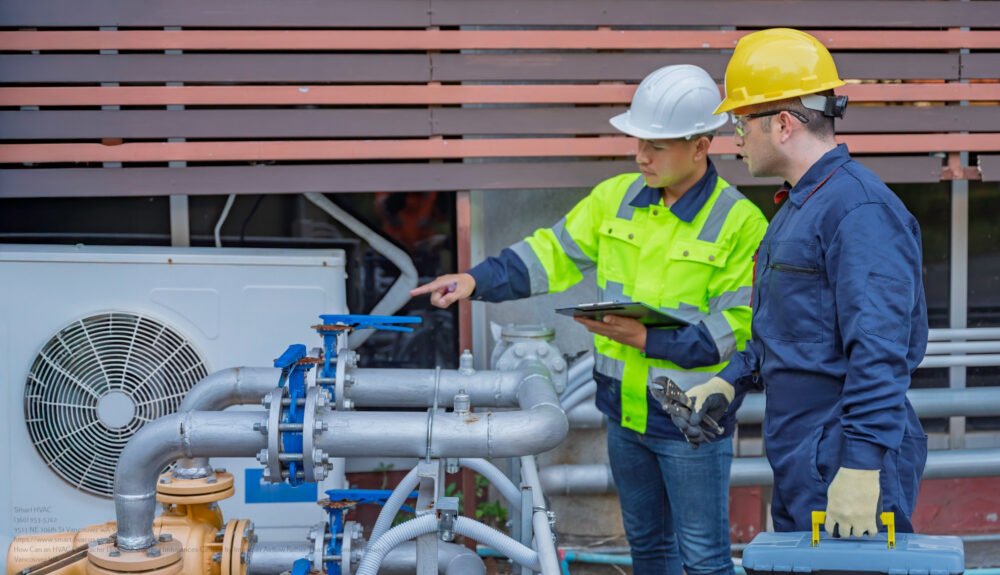
Ductwork problems are a common source of uneven comfort. Dust accumulation, damaged sections, disconnected joints, crushed flexible ducts, and poorly designed branches can interfere with air movement. Even a relatively small restriction can affect how much conditioned air reaches a particular room, especially when the system serves several floors or large spaces.
During an inspection, technicians check accessible supply and return vents, examine duct connections, and look for visible damage or obstructions. They may use airflow measurement equipment to compare readings across different areas. These measurements provide more useful information than relying on how strongly air feels when someone places a hand near a register. The U.S. Department of Energy’s guidance on ductwork also explains how poorly sealed or inadequately insulated ducts can reduce HVAC efficiency and affect comfort.
Where leakage is suspected, a contractor may recommend further duct testing or an appropriate sealing solution. Options such as Aeroseal duct sealing may be worth discussing when the condition of the ductwork makes that approach suitable. Duct cleaning may also help when accumulated debris is affecting the system, although cleaning alone will not correct damaged, leaking, or improperly sized ducts.
For properties in Southwest Washington, ductwork assessments can be especially useful when rooms have been added, layouts have changed, or older distribution systems no longer meet the property’s needs. The goal is to identify practical improvements that support consistent airflow, energy efficiency, and lasting comfort.
Need Help With Uneven Temperatures Or Airflow Problems?
Contact Smart HVAC for professional HVAC inspection, maintenance, repair, and replacement services.
Could the Blower Motor or Other Components Be Affecting Air Distribution?
Although airflow problems often originate in ductwork, mechanical components can also contribute. The blower motor is responsible for moving air through the system. If it operates incorrectly, has a failing component, or cannot deliver the required airflow, the entire property may experience reduced heating or cooling performance.
Technicians evaluate blower operation alongside other relevant equipment conditions. Depending on the system, they may inspect the fan assembly, electrical connections, filters, evaporator coil, and other components that influence air movement. A dirty filter, for example, can restrict airflow and make the equipment work harder. A clogged coil may also interfere with heat transfer and reduce overall performance.
The distinction between an airflow restriction and equipment failure requires more than a quick visual check. A contractor must consider how the system performs under operating conditions and whether its components are functioning within appropriate specifications. This technical expertise helps prevent unnecessary replacements while ensuring genuine mechanical problems are not overlooked.
Why Do System Sizing and Calibration Matter for Room-to-Room Comfort?
An HVAC system must be appropriately sized for the property it serves. Equipment that is too large or too small may struggle to provide consistent comfort, even when its main components are functioning correctly. Proper sizing considers factors such as building layout, insulation, windows, occupancy, and heating and cooling requirements.
System calibration also plays an important role. Incorrect thermostat settings, poorly configured controls, or unsuitable fan operation can contribute to temperature differences. A technician may assess thermostat placement, temperature readings, system settings, and equipment operation to determine whether adjustments are necessary. In some properties, Thermostat Installation may be worth considering when the existing control system does not adequately support the building’s comfort needs.
The percentage of heating or cooling capacity reaching individual rooms can also be affected by duct design and airflow balance. A system should distribute conditioned air according to the property’s requirements rather than operate at maximum output. Careful planning and precision in systems help create more consistent conditions without placing unnecessary demands on the equipment.
When Should Property Owners Consider Maintenance or Equipment Repairs?
Regular maintenance can help identify developing airflow issues before they lead to more noticeable comfort problems. During routine heating maintenance, technicians can inspect filters, blower components, electrical connections, controls, and other accessible parts of the system. AC Maintenance can similarly help identify restrictions, drainage concerns, and performance issues before the hottest days arrive.
A neglected system may gradually lose performance as filters become clogged, coils accumulate debris, or components wear out. These conditions can contribute to higher energy bills and increase the likelihood of unexpected breakdowns during the hottest weeks of summer or the coldest periods of winter. Routine maintenance does not eliminate every potential failure, but it provides an opportunity to identify concerns and plan appropriate repairs.
When an inspection confirms a mechanical issue, heating repair or AC repair may be necessary. If the equipment is no longer suitable for the property, Heating installation or AC Installation may provide a more appropriate long-term solution. Commercial HVAC systems may require a different assessment because larger buildings, operating schedules, and specialized equipment can create more complex jobs.
Smart HVAC provides residential and commercial services, including HVAC and electrical work. Property owners can discuss the condition of their existing systems and determine whether maintenance, repair, or replacement is the most practical next step.
How Can the Right HVAC Contractor Deliver More Reliable Comfort?
Choosing an HVAC contractor involves more than comparing prices. Property owners should look for skilled technicians who can explain inspection findings, discuss available options, and provide honest answers in simple terms. A team of experts should demonstrate skilled workmanship, dependable service, and a commitment to excellence throughout the assessment and service process.
Customer service dedication also matters. A friendly voice, personalized attention, and clear communication can make technical decisions easier to understand, particularly when a property needs extensive ductwork improvements or equipment replacement. Customers should evaluate the quality of service, ask about the contractor’s business practices, and check whether any satisfaction guarantee applies to the proposed work.
Some customers may search for a Bryant Factory Authorized Dealer when comparing providers. However, dealer status should always be verified rather than assumed. Similarly, phrases such as highly trained and trusted technicians, strict criteria, and superior products should be supported by clear information about the contractor, equipment, and services being offered. Customers can also ask whether Financing Services are available before committing to a major project.
A trusted choice offers expert guidance, explains the reasoning behind its recommendations, and focuses on lasting solutions. Whether a property needs a quick turnaround for a straightforward repair or careful planning for a larger installation, the contractor should prioritize the building’s actual requirements. This approach helps customers make an informed, smart choice rather than paying for work that does not address the original problem.
What Should Property Owners Expect from a Proper Airflow Assessment?
A thorough assessment should leave property owners with a clearer understanding of why certain rooms feel uncomfortable. The contractor should explain whether the problem involves restricted vents, duct leakage, equipment performance, system sizing, or control settings. Recommendations should reflect the inspection findings rather than rely on assumptions.
For some properties, relatively simple adjustments may restore more balanced airflow. Others may require duct modifications, component repairs, or a broader system evaluation. If replacement is necessary, careful planning can support a smoother installation experience and help the new equipment meet the property’s heating and cooling requirements.
An HVAC system should provide more than basic temperature control. It should support dependable operation, indoor comfort, and efficient performance throughout the year. With complete focus on the source of the problem, a qualified contractor can help property owners move toward cool comfort in summer, reliable heating in winter, and lasting comfort in every season.
Why Smart HVAC is a Practical Choice for Heating and Cooling Support
Smart HVAC serves residential and commercial customers in Vancouver, WA, with HVAC and electrical services designed around individual property requirements. Its service offerings include maintenance, repairs, equipment replacement, new installations, and car charger installations. This range of services allows property owners to discuss related building needs with a single provider rather than treating each concern as an isolated issue.
For customers looking for a HVAC contractor in Vancouver WA or dependable support for reliable heating repairs, the most important consideration is whether the recommended work addresses the actual cause of the problem. Smart HVAC can help customers explore suitable options, understand the condition of their equipment, and make informed decisions about maintaining or improving their systems. The right assessment can turn an uncomfortable property into a more balanced and dependable indoor environment.
Need Help With Uneven Temperatures Or Airflow Problems?
Contact Smart HVAC for professional HVAC inspection, maintenance, repair, and replacement services.