
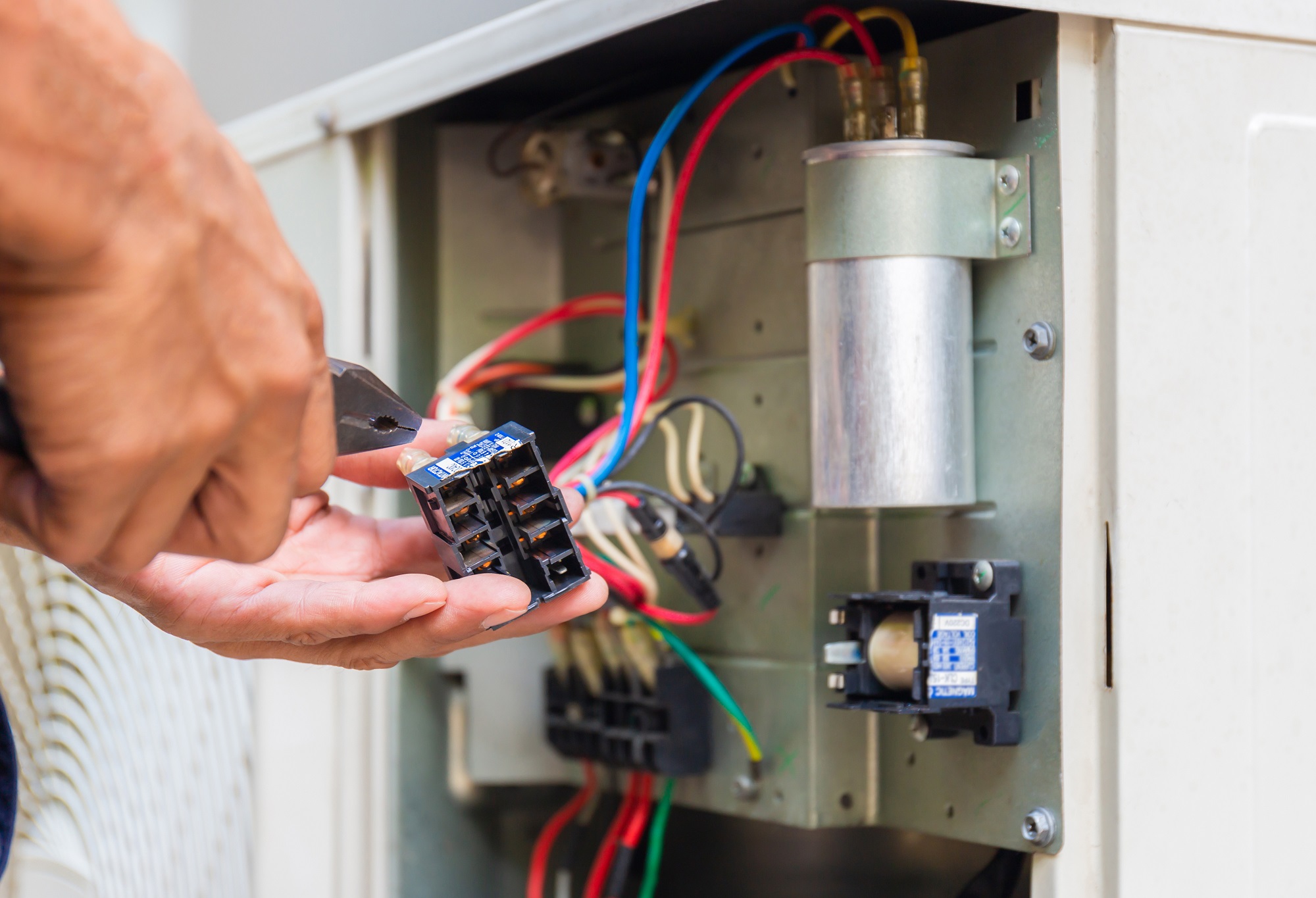
What Your Furnace Could Be Hiding Behind Normal Heat Output
A furnace can still produce warm air even as it develops a serious internal problem. That’s why furnace repair in Vancouver WA often requires more than replacing a filter or resetting a thermostat. Technicians may analyze combustion efficiency, flue gases, burner operation, airflow, and heat exchanger conditions to uncover problems that aren’t immediately visible.
Combustion and heat-exchanger testing can reveal inefficient burning, abnormal carbon monoxide levels, restricted airflow, poor venting, corrosion, and potential heat-exchanger damage. By combining system diagnostics with visual inspections and performance measurements, a qualified technician can distinguish a minor repair from a developing safety or equipment failure.
For Smart HVAC, the process begins with understanding how the entire HVAC system operates. The company serves Vancouver, WA, and surrounding communities with heating and cooling services, including furnace repair, furnace installation, HVAC maintenance, and related electrical services. Smart HVAC has served the local area since 2022 and emphasizes trained technicians, clear communication, and customer service.
Why Does Furnace Repair in Vancouver WA Need Combustion Testing?
A gas furnace depends on a carefully controlled relationship between fuel, combustion air, ignition, burners, heat transfer, and venting. If any part of that chain changes, the furnace may consume more energy, cycle incorrectly, produce abnormal combustion gases, or pose safety risks.
Combustion analysis provides a technician with measurable information rather than relying solely on symptoms. Flue-gas readings can help evaluate carbon monoxide, oxygen, carbon dioxide, draft, and combustion efficiency. These measurements are especially useful when a furnace appears to be working, but utility bills have increased, heating output has declined, or the equipment has begun short-cycling.
People Also Ask: How can a technician tell whether a gas furnace is burning correctly? The answer isn’t based on flame appearance alone. A professional can use combustion measurements and system diagnostics to determine whether the furnace is receiving the correct fuel-to-air mixture and whether combustion byproducts are being vented properly.
How Does Heat-Exchanger Performance Affect Home Comfort?
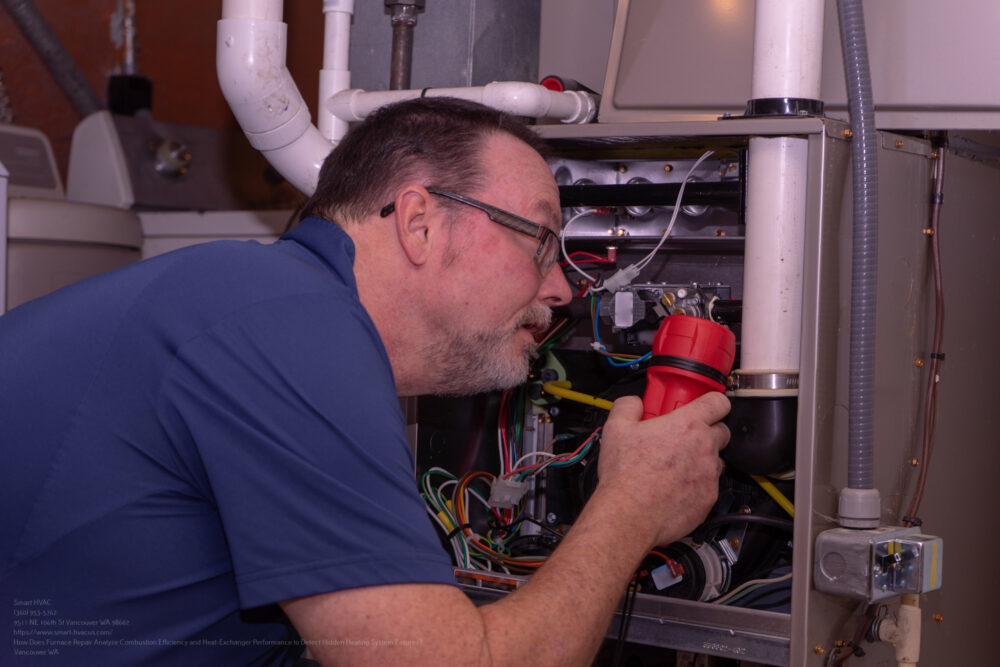
The heat exchanger is one of the most important components inside a gas furnace. It separates combustion gases from the air circulated throughout the building while allowing heat to transfer into the heating system. If the exchanger becomes damaged or severely deteriorated, the issue is no longer simply about comfort or energy efficiency.
A technician may inspect accessible areas for corrosion, cracks, holes, or other signs of deterioration and evaluate furnace operation for symptoms that could indicate a heat-exchanger problem. The Department of Energy‘s combustion safety guidance specifically recommends inspecting heat exchangers for cracks, ruptures, holes, and corrosion and conducting appropriate leakage testing.
Why does this matter in Vancouver, WA? A furnace may run for long periods during cold weather, placing repeated demands on burners, blowers, heat exchangers, controls, and venting. If a component is already weakened, continuous operation can make the problem more apparent.
A careful diagnosis can also prevent unnecessary replacement. If a furnace has a dirty burner, a failed ignition component, an airflow restriction, or an electrical fault, repairing the actual cause may restore performance without replacing the entire central heating system. When equipment is genuinely at the end of its useful life, however, testing can provide evidence for considering furnace installation or a newer heating solution.
Need expert furnace repair?
Contact Smart HVAC today for dependable heating service and professional diagnostics.
Could a Small Furnace Symptom Point to a Bigger Failure?
Imagine a Vancouver homeowner notices that the furnace turns on frequently but doesn’t seem to keep the house comfortable for long. The first thought might be a thermostat problem. Another possibility is a dirty HVAC filter or restricted airflow. Yet combustion testing could reveal that the furnace isn’t operating efficiently, while heat-exchanger inspection could identify deterioration that isn’t visible from outside the unit.
That doesn’t mean every unusual furnace symptom indicates a dangerous failure. It means symptoms deserve context. A trained technician can compare operating conditions with measurements and determine what deserves attention.
For example, an older gas furnace may have accumulated dust around the burners or developed corrosion on moisture-exposed components. A furnace connected to poorly maintained ductwork may also work harder to distribute heat. In homes that also contain a water heater, gas fireplaces, or other combustion appliances, the technician may need to consider the broader combustion environment and venting arrangement.
This systems approach is particularly valuable during furnace repair in Vancouver WA because homes throughout Clark County can vary considerably in age, construction, insulation, duct layout, and equipment type. Smart HVAC’s local service model focuses on diagnosing heating and cooling issues in the context of the property rather than treating every repair call the same way.
What Should Vancouver Homeowners Remember about Furnace Diagnostics?
The most important lesson is simple: heat output alone doesn’t tell the whole story. A furnace can appear functional while combustion efficiency, heat exchanger condition, venting, airflow, or electrical controls deteriorate beneath the surface.
Effective furnace repair in Vancouver WA should therefore connect symptoms with measurements. Combustion analysis can show whether the furnace is burning fuel correctly, while heat-exchanger inspection helps determine whether heat transfer and combustion separation remain safe and reliable.
Energy efficiency matters, but safety and dependable home comfort come first. A properly maintained furnace can deliver more consistent heating while reducing the likelihood of unexpected breakdowns. When repair is no longer practical, diagnostic findings can also help a homeowner make a more informed decision about replacement.
For properties in Vancouver WA and the wider Southwest Washington and Portland Metro areas, the right heating solution depends on the building, existing HVAC equipment, operating costs, and household needs. Smart HVAC can evaluate those factors while providing heating service, furnace repair, furnace installation, and HVAC maintenance.
Why Smart HVAC is the Smart Choice for Furnace Repair
We at Smart HVAC provide practical solutions tailored to our customers’ needs and properties. Our technicians focus on accurate diagnostics, clear communication, and dependable heating service so homeowners can understand what’s happening inside their HVAC system before making a repair or replacement decision.
We showcase our commitment to excellent service through professional furnace repair, furnace installation, HVAC maintenance, and responsive residential and commercial HVAC support. We also understand that customer service matters just as much as technical skill when a heating system fails unexpectedly.
If a furnace is short cycling, producing unusual odors, struggling to heat the home, or showing signs of declining performance, contact Smart HVAC for professional furnace repair in Vancouver, WA. Smart HVAC can help identify hidden combustion and heat-exchanger problems before they become larger heating or safety concerns.
For dependable furnace repair in Vancouver WA, Smart HVAC delivers careful system diagnostics, professional heating service, and solutions focused on safe, efficient home comfort.
Need expert furnace repair?
Contact Smart HVAC today for dependable heating service and professional diagnostics.